zinc oxide for rubber
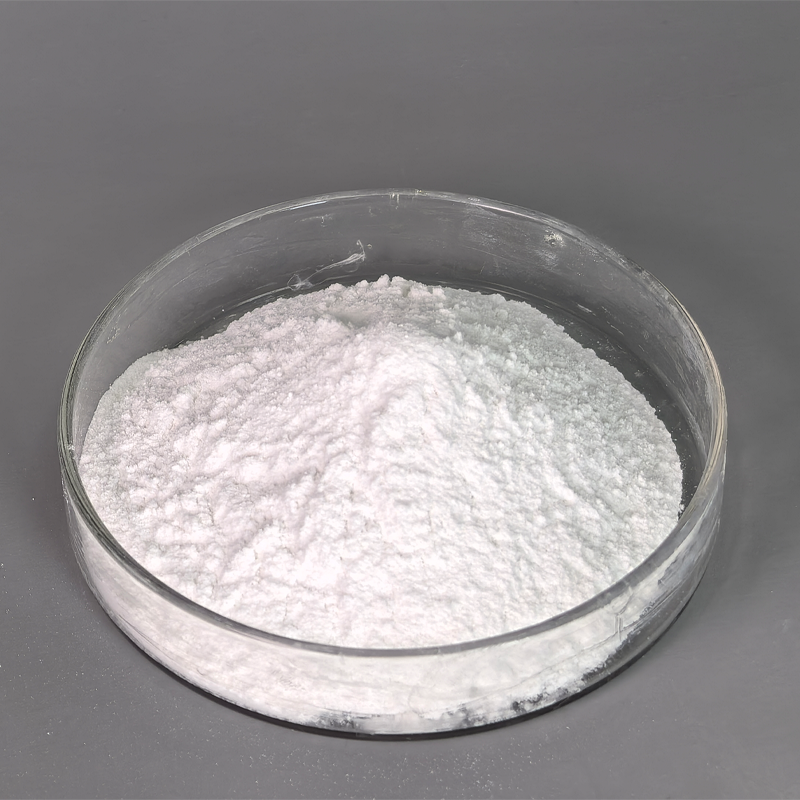
In the mass production of rubber products, zinc oxide for rubber is an indispensable core activator for vulcanization that directly determines the efficiency of rubber vulcanization, as well as the strength, aging resistance, and wear resistance of the finished products. However, many rubber processing plants frequently encounter various issues during actual batching and mixing. At best, this leads to a decline in the yield rate of finished products; at worst, it results in the scrapping of an entire batch of raw materials, thereby increasing production costs. Jiurunfa has compiled a list of common issues related to the use of zinc oxide for rubber, along with their causes and solutions, to help customers standardize material usage and stabilize production schedules.
The most common issue is uneven dispersion of zinc oxide. After mixing, white spots and granular lumps appear in the rubber compound; on the surface of molded rubber products, raised pitting occurs, and hardness varies unevenly in certain areas. This phenomenon occurs, on the one hand, because the zinc oxide powder agglomerates into clumps; once exposed to moisture, the particles clump together and are difficult to disperse. On the other hand, it results from an improper feeding sequence—adding large quantities all at once—combined with insufficient mixing temperature and time settings, which prevent thorough kneading. Poor dispersion can lead to localized over-curing or incomplete curing, resulting in significant fluctuations in the rubber’s tensile strength. This makes products such as seals and tires highly prone to localized cracking. By selecting Jiurunfa’s zinc oxide specifically formulated for rubber—which has undergone fine-graining and modification to achieve high porosity and resist moisture absorption and caking—and with technical staff guiding customers on staged feeding and optimizing mixing processes, dispersion issues can be addressed at the source.
The second frequently asked question: The vulcanization rate fluctuates, and batch-to-batch consistency is poor. Some manufacturers have reported that, even with the same formulation, the scorch time varies significantly when different batches of zinc oxide are used, often resulting in roll sticking due to premature scorching early on, or incomplete vulcanization and soft products later on. The core causes include unstable levels of active zinc oxide, excessive heavy metals or inert impurities, or moisture absorption and deterioration due to improper storage, all of which reduce the material’s activation capacity. Jiurunfa’s rubber-grade zinc oxide undergoes rigorous factory testing for activity, purity, and impurity levels. Batch data is consistently controlled, with strict monitoring of heavy metal content throughout the entire process to prevent impurities from interfering with the vulcanization system. Additionally, we advise customers to periodically test the activity of incoming materials to avoid disruptions to the vulcanization process caused by fluctuations in raw material quality.
The third common issue: rubber products fail to meet expected aging resistance and UV resistance, becoming hard, cracking, and fading after only a short period of use. Many companies focus solely on reducing procurement costs by substituting standard zinc oxide with low activity for grades specifically designed for rubber. This results in insufficient activation efficiency, preventing the full realization of light-stabilizing and antioxidant effects. Furthermore, adding too much or too little zinc oxide can disrupt the formulation balance. Excessive amounts tend to make the compound hard and brittle, while insufficient amounts highlight weaknesses in aging resistance. Jiurunfa can provide precise addition ratio solutions based on the formulations of different products—such as tires, conveyor belts, and rubber seals—and match them with zinc oxide grades of corresponding activity levels, balancing product performance with raw material costs.
Spoilage caused by improper storage and handling is another issue that is often overlooked. When zinc oxide for rubber is left exposed for long periods or stored in damp warehouses or exposed to rain, it is highly prone to absorbing moisture and caking, which directly affects subsequent dispersion and vulcanization performance; mixing it with acidic materials can trigger chemical reactions that alter its original physical and chemical properties. Jiurunfa clearly communicates storage and transportation guidelines to its clients, requiring that products be stored in sealed containers within dry, well-ventilated warehouses, with acidic and alkaline raw materials kept in separate zones. We also provide recommendations for inventory rotation to minimize material degradation and waste.
Jiurunfa offers a comprehensive range of zinc oxide for rubber with stable reactivity. Building on the foundation of high-quality raw materials, we provide accompanying process guidance to help rubber manufacturers avoid common material usage pitfalls, reduce scrap and waste, maintain consistent quality in finished rubber products, and enhance their overall market competitiveness.
zinc oxide rubber uses
zinc oxide rubber industry
zinc oxide in rubber