zinc oxide for rubber
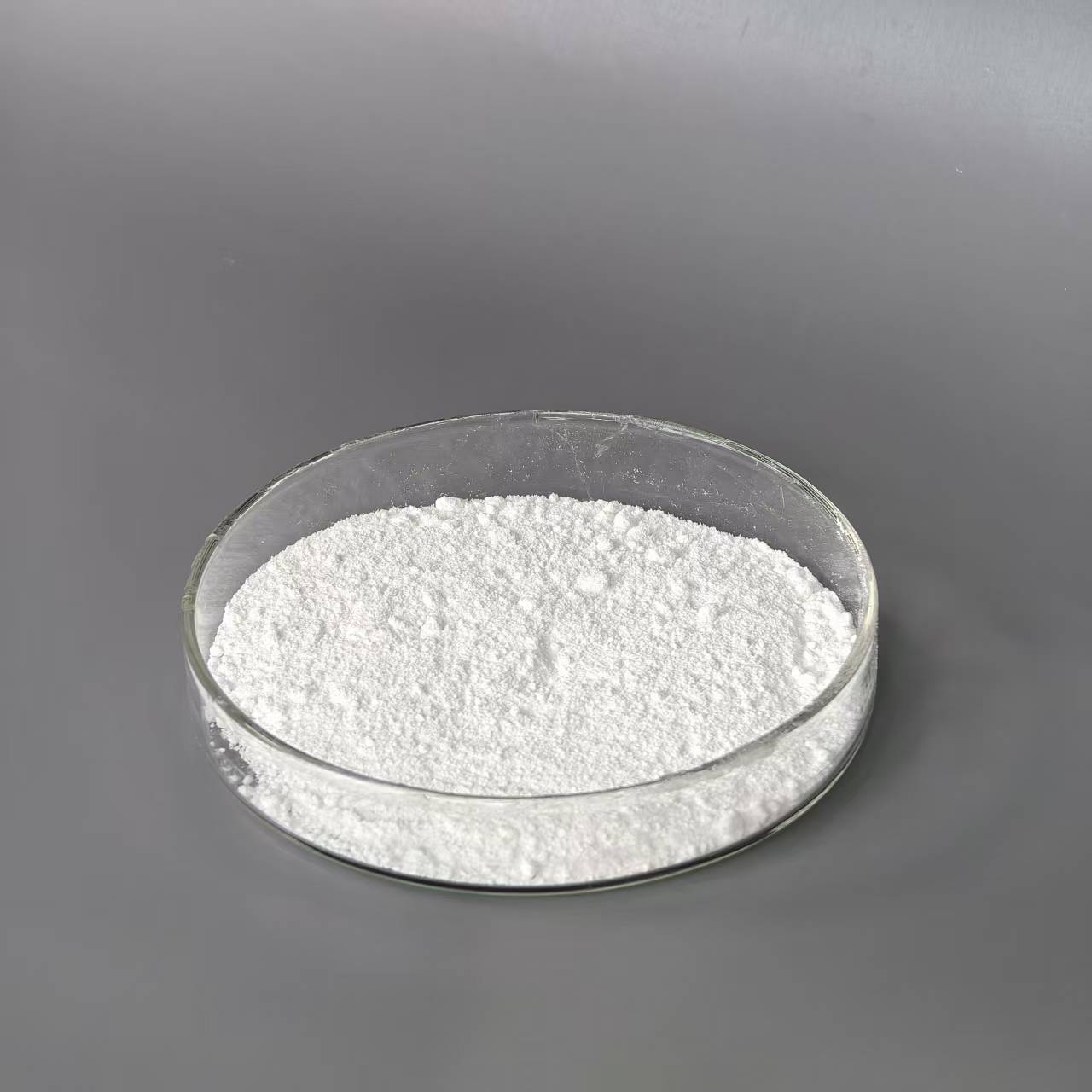
In rubber formulations, zinc oxide is one of the most commonly used vulcanization activators, and virtually all rubber product manufacturing relies on it. However, many manufacturers tend to focus solely on formulation ratios and processing techniques, while overlooking the impact of storage conditions on product performance. In fact, although zinc oxide is relatively chemically stable, improper storage can still lead to issues such as caking, moisture absorption, and a decline in purity, which ultimately affect the vulcanization process and the quality of the finished product. Getting storage right is the first step toward ensuring stable rubber production.
Improper storage of zinc oxide for rubber can trigger a series of chain reactions. The most common issue is moisture absorption and caking—zinc oxide powder has a large surface area and readily absorbs moisture when exposed to humid air, forming lumps of varying sizes. Once agglomerated, zinc oxide does not disperse evenly in the compound, resulting in localized concentrations that are either too high or too low. This leads to inconsistent vulcanization rates, causing localized under-vulcanization or over-vulcanization in the finished product. Furthermore, prolonged exposure to acidic gases or oil contamination can cause surface contamination and reduced purity, which in turn lowers vulcanization activity and adversely affects both tensile strength and abrasion resistance. These issues are often not detected immediately; by the time the finished product fails inspection, the entire batch of raw material may already have been scrapped.
Proper storage of zinc oxide for rubber is not complicated; the key is to control environmental conditions. First, maintain a dry environment; the relative humidity in the warehouse should ideally be kept below 70% to prevent moisture absorption during the rainy season or the plum rain season. Second, store the material in sealed containers; if raw material is not fully used after opening the package, the bag must be securely resealed or the material transferred to an airtight container—it must not be left open. Regarding temperature, room temperature is sufficient—refrigeration is not required—but direct sunlight and proximity to heat sources must be avoided, as these can cause the packaging material to age and deteriorate. When storing, ensure the material is elevated off the floor and away from walls; place it on pallets rather than directly on the floor or against walls to prevent damage from ground moisture or water seepage from walls.
Jiurunfa’s zinc oxide for rubber is packaged with storage and transportation needs in mind. We use double-layer packaging—an inner moisture-proof liner bag and an outer woven bag—to provide dual protection against moisture penetration, making it suitable for long-term storage. The weight is clearly marked on each bag, and the lot number is printed on the bag opening, allowing warehouse managers to easily record inventory by lot and follow the first-in, first-out (FIFO) principle. The product undergoes rigorous moisture testing before leaving the factory to ensure that all specifications remain within acceptable ranges by the time it reaches the customer, preventing moisture absorption and caking caused by transportation vibrations or weather changes.
In addition to storage conditions, there are several details to note regarding daily management. When handling zinc oxide, use dry, clean tools whenever possible to avoid introducing water or oil contamination into the bag. Do not mix raw materials from different batches; use the first batch received to avoid prolonged storage. If packaging damage is discovered, promptly transfer the contents to an undamaged container and use them first. For small customers with low consumption, consider smaller package sizes to reduce storage time after opening. These practices may seem simple, but they effectively extend the raw material’s shelf life and maintain consistent quality across every batch of rubber compound.
Jiurunfa has long specialized in the production and supply of rubber-grade zinc oxide. We not only focus on the purity and fineness of the product itself but also consider our customers’ needs throughout the entire supply chain—from packaging and logistics to storage. We offer a variety of packaging options, support both small-batch samples and large-volume, stable supply, and can recommend suitable packaging solutions based on your specific storage conditions. If you are looking for zinc oxide for rubber that is easy to store and offers consistent performance, please visit the Jiurunfa website to learn more about our products, or contact us directly for samples and technical support. Getting the small details of storage right can help prevent major problems in rubber production.
zinc oxide in rubber
zinc oxide rubber durability
zinc oxide rubber duration
zinc oxide rubber uses
zinc oxide in rubber compounding
zinc oxide rubber activation
zinc oxide rubber industry
zinc oxide rubber coating