Starch ether
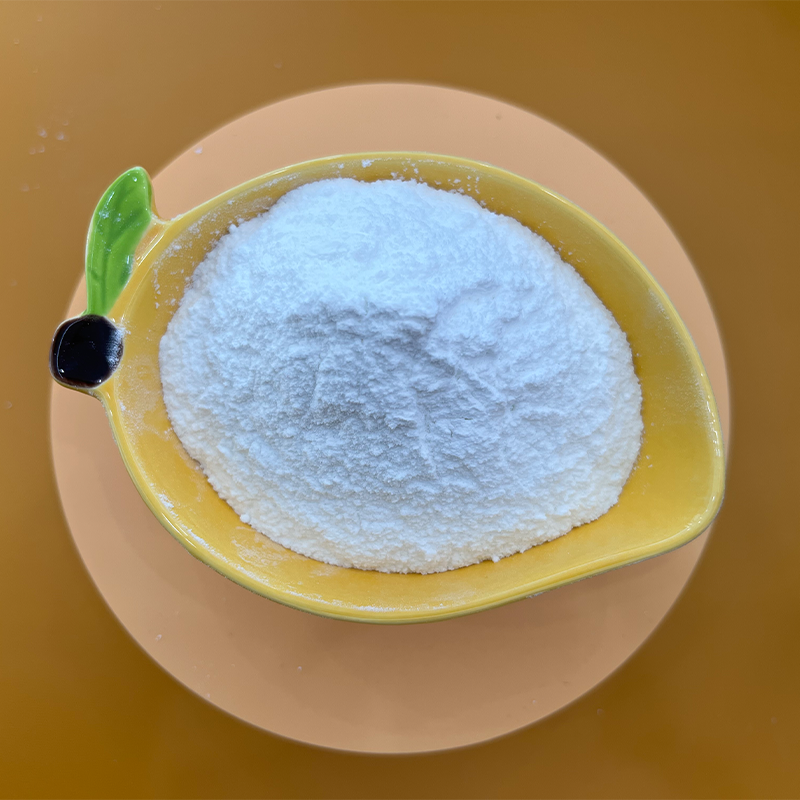
When people hear the chemical term “starch ether,” many feel a sense of distance from it, as they don’t associate it with everyday products. In fact, starch ether is an invisible, functional additive that everyone comes into frequent contact with in their daily living and home renovation settings. The smooth, even walls, securely laid tiles, and sleek plaster ceilings in our homes all owe their quality to it. This seemingly unremarkable chemical raw material quietly determines the finish and lifespan of building materials used in both residential and commercial construction.
In everyday home renovations and new home construction, people’s most immediate living experience comes from smooth, crack-free walls; tiles that don’t delaminate or fall off; and fine, flawless plaster surfaces. Many people mistakenly believe that the excellent performance of wall mortar, tile adhesive, and plaster putty is determined solely by the quality of the main materials. In reality, the subtle differences in the construction experience and the durability of the finished product largely stem from the modifying properties of starch ether. As a functional additive specifically designed for dry-mix building material systems, starch ether—with its excellent anti-slip, water-retention, and thixotropic properties—has become a core auxiliary material for enhancing the quality and efficiency of modern construction materials. It is also a key ingredient for building material companies seeking to improve product reputation and address common construction challenges.
Jiurunfa specializes in the research, development, and production of building material additives, focusing on the dry-mix mortar segment. The company’s high-quality starch ether is suitable for a wide range of residential and commercial building materials. With its consistent performance, it addresses common quality issues in everyday renovation projects, allowing this invisible ingredient to enhance the visible quality of living spaces.
Interior plastering mortar used for wall renovations in every household represents the most basic application of starch ether. Ordinary mortar tends to run and sag during application, making it impossible to apply in thick layers for leveling. This requires repeated coats, which is not only time-consuming and labor-intensive but also leads to uneven wall thickness and cracking once the mortar dries. When starch ether is added to plastering mortar, its workability improves significantly. It does not sag or run down the wall, and workers can achieve a smooth, even finish in a single application. At the same time, it locks in the mortar’s moisture, preventing dry-shrinkage cracks, powdering, and delamination caused by rapid moisture loss from the wall surface. This ensures that the walls in your home are smooth, fine-textured, and durable, reducing the need for wall repairs at the source.
Tile adhesive—an essential for everyday home renovation—also relies on the benefits of starch ether. Today’s home renovation trends favor large-format floor tiles, stone slabs, and full-body porcelain tiles. These building materials are heavier and have dense, non-absorbent surfaces, making them prone to slipping and shifting after installation, as well as hollowing and peeling over time. Tile adhesive formulated with starch ether offers superior suspension support and initial bonding strength, ensuring that large tiles and stone slabs are securely positioned during installation and less prone to misalignment or slippage. It also extends the working time, making it ideal for everyday home renovation projects. This results in a more secure bond, effectively preventing future issues such as tile detachment and cracking, and safeguarding the quality of your home renovation.
Gypsum-based products are commonly used for ceilings and walls, and they also serve as the core application medium for starch ether. Conventional gypsum materials cure quickly and have poor water retention, making it difficult to achieve a smooth finish during application. This often results in surface defects such as pinholes, pitting, and joint lines, which compromise the overall aesthetic appeal of the walls. Starch ether effectively optimizes the flow and fineness of gypsum slurry, making application smoother and finishing easier. It smooths out minor surface imperfections, resulting in a uniform and level gypsum substrate. At the same time, it balances the curing rate, preventing cracking caused by uneven drying, and creates a clean, refined base for home renovations.
For building materials manufacturers, Starch ether offers the distinct advantages of low dosage, rapid effectiveness, and high cost-effectiveness. It does not alter the strength or curing properties of the building materials themselves, blends perfectly with various mortar additives, and is suitable for large-scale production. The product features stable performance and consistent batch-to-batch quality, requiring no complex process adjustments, and effectively reduces production waste and the rate of defective construction work.
From everyday home renovation wall leveling to whole-house tile installation and gypsum ceiling construction, starch ether quietly enhances every residential building material product. With its subtle yet critical performance advantages, Jiurunfa Starch Ether optimizes the renovation experience and improves the quality of finished construction projects, making it an indispensable, behind-the-scenes core additive in the building materials industry. In the future, Jiurunfa will continue to refine product quality and empower the high-quality development of the construction and building materials industry with highly compatible and stable additive products.
what is starch ether used for
starch ether chemical
etherified starches
what is starch ether
hydroxypropyl starch ether
avebe starch ether