Sodium Tripolyphosphate
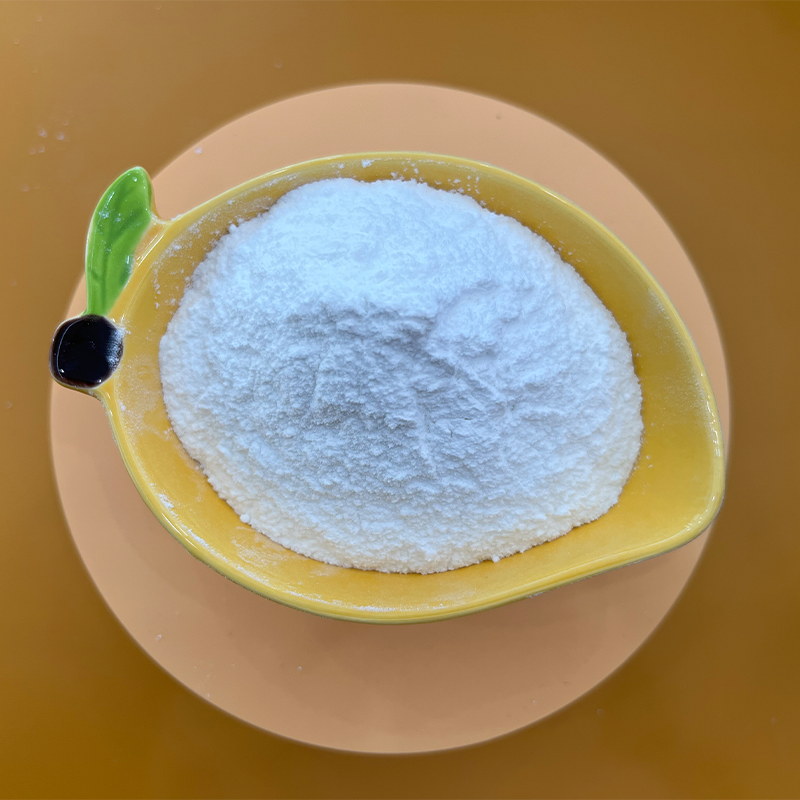
After prolonged use, a layer of white limescale builds up on the inside of a household kettle; after a while, deposits also form inside the drum of a washing machine. These common household nuisances are all related to calcium and magnesium ions in the water. In industrial settings, such problems are often addressed using a stable raw material called sodium tripolyphosphate. It not only softens water but also disperses dirt, playing an indispensable role in formulations across many industries.
The core function of sodium tripolyphosphate is to chelate metal ions. It binds with calcium and magnesium ions in water, “locking” them in place and softening hard water. This property makes it a staple in detergent and cleaning agent formulations—when added to laundry detergents and dishwashing powders, it enhances cleaning power, leaving clothes cleaner and preventing them from becoming yellowed or stiff. At the same time, it disperses suspended dirt and prevents it from reattaching, ensuring a more thorough clean.
Beyond the detergent industry, sodium tripolyphosphate is widely used in the food, ceramics, and water treatment sectors. In the food industry, it serves as a quality improver, helping meat retain moisture and keeping seafood fresh, resulting in products with better texture and higher moisture content. In the ceramics industry, it functions as a slurry dispersant, helping raw materials disperse evenly and reducing sedimentation. In water treatment, it prevents scaling in boilers and pipes, thereby extending the service life of equipment. The fact that a single raw material can be utilized across so many industries is due to its stable and reliable performance.
Even though it is the same sodium tripolyphosphate, products from different manufacturers can vary significantly. Some fail to meet purity standards, resulting in reduced effectiveness; others contain high levels of impurities such as phosphorus pentoxide and water-insoluble matter, which affect formulation stability; still others exhibit significant fluctuations in specifications from batch to batch, forcing manufacturers to repeatedly adjust their formulations. Jiurunfa’s Sodium Tripolyphosphate is produced under strict control of all specifications, ensuring stable purity, minimal impurities, and high consistency between batches. This allows customers to use proven formulations for continuous production without having to repeatedly adjust processes due to material changes.
Jiurunfa’s Sodium Tripolyphosphate is manufactured using standardized production processes, with rigorous quality control at every stage from raw materials to finished products, ensuring that every batch meets the corresponding quality standards. The product is available in various grades, including industrial and food-grade, to meet specific customer applications and industry requirements. The secure packaging facilitates storage and transportation, helping customers reduce raw material management costs. Whether for bulk purchases or small-batch samples, we provide consistent supply and service.
Jiurunfa has long specialized in the R&D, production, and supply of chemical raw materials. Sodium Tripolyphosphate is a key component of our product portfolio and has served numerous customers in the detergent, food, ceramics, and water treatment industries. If you are looking for sodium tripolyphosphate with consistent specifications, a comprehensive range of grades, and excellent value for money, please visit the Jiurunfa website to learn more about our products, or contact us directly to request samples and quotes. Choosing the right raw materials ensures that every batch of your formulations is stable and reliable. Jiurunfa looks forward to a long-term partnership with you.
sodium tripolyphosphate side effects
sodium tripolyphosphate in food
sodium tripolyphosphate uses
sodium tripolyphosphate vs polyphosphate
sodium tripolyphosphate health risks
sodium tripolyphosphate ins
sodium hexametaphosphate
sodium tripolyphosphate e number