Polypropylene glycol
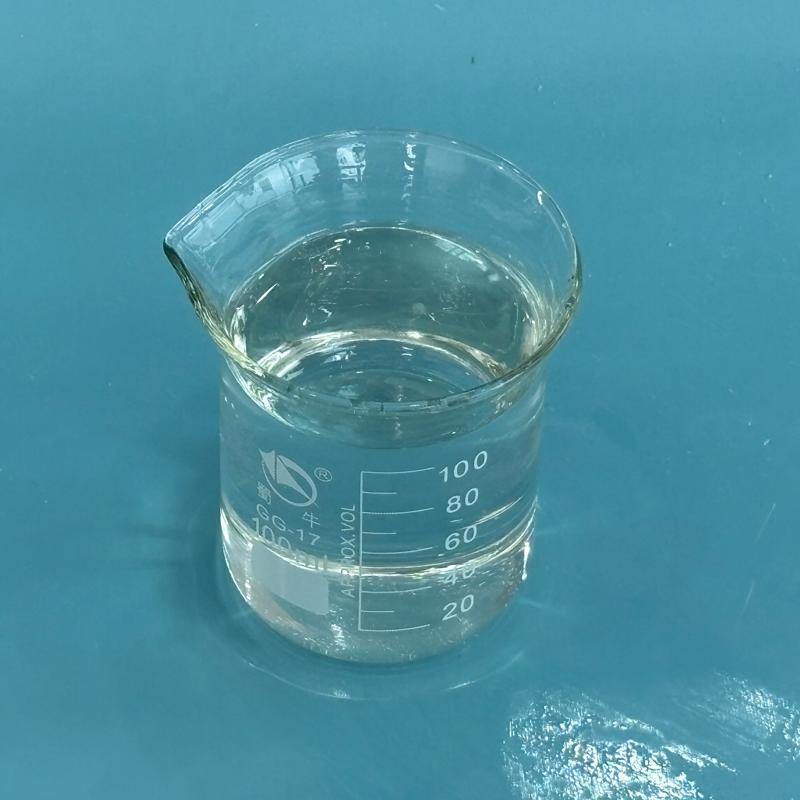
Across all industries, practicality remains the primary consideration when procuring and selecting chemical additives. Whether in the personal care, polyurethane manufacturing, industrial processing, or pharmaceutical production sectors, the core value of additives lies in effectively addressing practical challenges such as formulation instability, poor product texture, production bottlenecks, and material aging. Polypropylene Glycol, as a highly adaptable and versatile polyether additive, meets the production needs of multiple industries thanks to its adjustable molecular weight, broad compatibility, and stable performance. Production challenges across various sectors can be precisely optimized using this product.
Shandong Jiurunfa has been deeply involved in the research, development, and production of polyether additives for many years. The company offers a full range of polypropylene glycol products that precisely meet the diverse production needs of various industries, including personal care, polyurethane products, industrial processing, and pharmaceuticals. With its consistent quality, the company helps enterprises across these sectors simplify formulations, optimize processes, and enhance the core competitiveness of their finished products.
If you are deeply involved in the personal care and cosmetics industry, polypropylene glycol is a key additive for optimizing product texture and formulation stability. In skincare products, lotions, and creams, it acts as a mild emollient and softening agent, regulating the system’s moisture level and addressing issues such as dryness and stickiness, resulting in a smooth, refreshing, and hydrated feel on the skin without causing a heavy or suffocating sensation. It also possesses excellent solubilizing and stabilizing properties, balancing the structure of cream formulations to prevent separation, cloudiness, and water separation during long-term storage, thereby significantly extending the product’s shelf life. In makeup formulations such as lipstick, foundation, and eyeshadow, it acts as a highly effective pigment dispersant, ensuring that color pigments are evenly dispersed without agglomeration. This results in more uniform color application and a translucent, rich hue, effectively enhancing the texture and user experience of the final product.
If you specialize in the production of polyurethane products, polypropylene glycol is an indispensable core raw material for soft foam and elastomer products. It reacts fully with isocyanates to form a flexible and stable polymer structure and is widely used in the production of soft foam for sofas, mattresses, and automotive seats, as well as in polyurethane products such as building insulation and shock-absorbing cushioning materials. Foam materials modified with this product exhibit excellent resilience and minimal compression set, combining good flexibility with aging resistance. They are resistant to sagging, hardening, and cracking even after long-term use, effectively enhancing product comfort and service life. At the same time, they optimize the molding process and reduce the defect rate of finished products, making them a high-quality, foundational raw material for the polyurethane light industrial manufacturing sector.
If you are involved in industrial processing and manufacturing, polypropylene glycol is a multifunctional industrial additive that provides lubrication, defoaming, and anti-aging properties. In the field of metalworking, it can be added to water-soluble cutting fluids and hydraulic oils to deliver excellent lubrication and drag-reduction effects, reduce friction and wear between equipment and workpieces, and protect cutting tools. At the same time, it effectively suppresses foam formation during production, preventing fluid overflow and process jams, and ensuring the stable operation of the production line. In synthetic rubber production, it serves as an internal protective additive that delays rubber oxidation, aging, hardening, and embrittlement, thereby enhancing the toughness and durability of rubber products. Furthermore, in wet production processes such as coatings and papermaking, it acts as a highly effective defoamer, rapidly eliminating micro-bubbles in the system to prevent defects such as pinholes, orange peel, and surface imperfections, ensuring smooth production and a smooth, uniform finish on the final product.
If you are involved in the pharmaceutical manufacturing sector, high-purity polypropylene glycol can serve as a compliant and safe pharmaceutical intermediate and excipient. With high purity, extremely low impurity levels, and excellent biocompatibility, this product is non-irritating, safe, and non-toxic. It can be used for drug solubilization, ointment base modification, and formulation optimization. It stabilizes drug systems, enhances the texture and stability of pharmaceutical products, and fully complies with the stringent safety standards of pharmaceutical manufacturing, making it suitable for use in the formulations of various compliant pharmaceutical products.
Leveraging proven production processes and a comprehensive quality control system, Shandong Jiurunfa Chemical Technology Co., Ltd. can precisely control key parameters of polypropylene glycol, such as molecular weight, viscosity, and solids content. Products of various specifications offer consistent performance and uniform batch-to-batch quality, meeting the precise formulation requirements of various industries. They can be quickly integrated into existing production systems without the need for complex debugging by the customer, helping clients reduce costs, improve efficiency, and optimize product quality.
polypropylene glycol uses
polypropylene glycol 1000
polypropylene glycol 3000
polypropylene glycol 4000
propylene glycol
polyethylene glycol
polypropylene glycol cas
polypropylene glycol msds