Abnormal Operating Conditions and Countermeasures for CAS No. 115-10-6 (Dimethyl Ether)
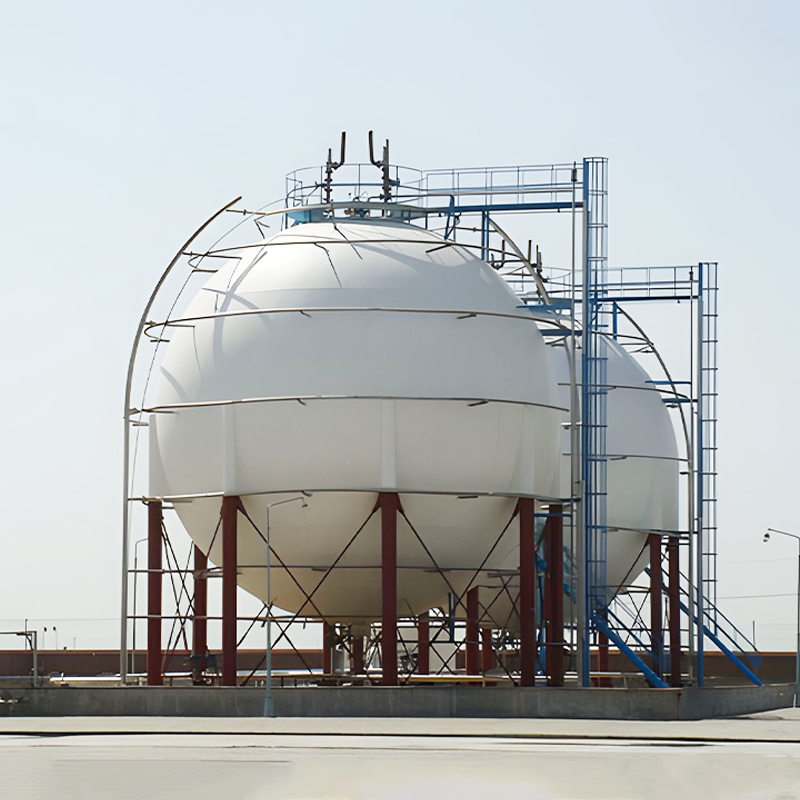
115-10-6 is not just a sequence of numbers—it represents the unique identity of Dimethyl Ether (DME) in the chemical industry, serving as a critical link between scientific research and industrial production.
In the production of dimethyl ether, stable operation of the process units is essential to ensure product quality and production efficiency. However, various operational challenges may arise in practice. Among them, large fluctuations in catalyst bed temperature and frequent internal leakage of heat exchangers are two common problems.
This article analyzes the causes of these issues and proposes corresponding handling measures for reference.
1. Large Fluctuations in Catalyst Bed Temperature
Catalyst bed temperature is one of the key operating parameters in dimethyl ether production. Its stability directly affects methanol conversion efficiency and the formation of by-products.
If the bed temperature is too low, methanol conversion decreases.
If the temperature is too high, side reactions intensify.
Both situations negatively affect the downstream distillation system.
The main causes of bed temperature fluctuation are as follows:
(1) Control Valve Malfunction
Failure of the reactor inlet temperature control valve may prevent proper adjustment of the reactor inlet temperature.
Failure of the quench gas control valve may cause loss of control over the second-stage reactor temperature, ultimately resulting in large bed temperature fluctuations.
Corrective Measures:
Check whether the instrument air pipelines of the control valves are disconnected, which may cause loss of air supply and valve inoperation.
Inspect and adjust the valve opening to identify sticking, jamming, or non-responsive behavior.
Based on the catalyst bed temperature, adjust the main manual valve and bypass valve of the control system in a timely manner to maintain bed temperature within the required range.
(2) Changes in Reactor Inlet Gas Composition
When the reflux rate is low or the steam input is excessive, heavy components—especially water—may increase in the vaporizer column. As a result, the water content in the vapor phase rises, and the relative methanol concentration decreases.
Since methanol dehydration to dimethyl ether is an exothermic reaction, a decrease in methanol concentration leads to a reduction in reaction heat release, causing the catalyst bed temperature to drop.
Corrective Measures:
Adjust the reactor inlet temperature control valve to increase the reactor outlet temperature and ensure that the bed temperature remains within the reaction operating window.
Increase the reflux rate of the vaporizer column and reduce steam consumption.
Refer to the methanol saturated vapor pressure table to prevent excessive top temperature of the vaporizer column, which could adversely affect the reactor inlet gas composition.
2. Frequent Internal Leakage of Heat Exchangers
In dimethyl ether production, circulating water heat exchangers play a vital role. However, excessive temperature differences between the shell side and tube side may lead to tube sheet leakage or tube rupture.
Such failures can contaminate circulating water systems and significantly reduce operating efficiency.
Corrective Measures:
(1) Material Upgrade
During scheduled shutdown and maintenance, replace internal components of circulating water heat exchangers with corrosion-resistant and high-temperature-resistant stainless steel materials, fundamentally improving equipment durability.
(2) Structural Design Optimization
To address large temperature differences between the shell and tube sides, optimize the heat exchanger structure, such as:
Increasing tube sheet thickness
Optimizing tube bundle layout
These measures enhance the heat exchanger’s ability to withstand thermal stress.
(3) Enhanced Maintenance and Inspection
Conduct regular inspections and maintenance to identify and eliminate potential leakage points at an early stage.
Establish a comprehensive maintenance record and data analysis system to support future equipment improvement and preventive maintenance planning.