Is Dimethyl Ether (DME) Harmful?
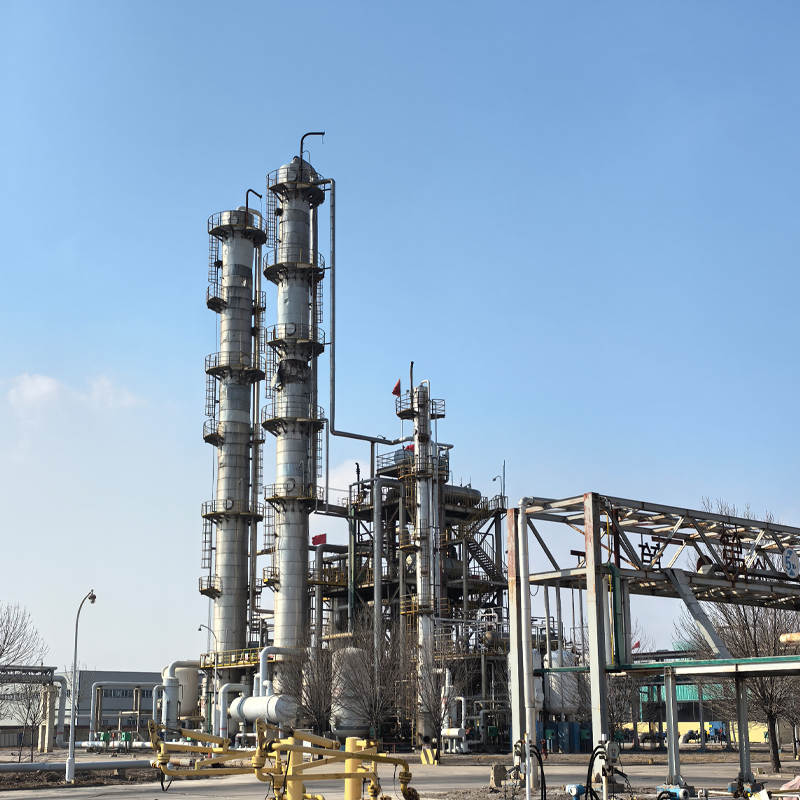
Dimethyl ether (DME) is a widely used chemical in multiple industries, serving as a fuel, solvent, and refrigerant, and generating significant economic benefits. However, improper or unauthorized use can lead to serious safety hazards. This article explains the potential dangers of DME using the example of its mixing with liquefied petroleum gas (LPG).
At standard temperature and pressure, DME exists as a colorless, odorless gas, and under appropriate pressure, it can be liquefied. Its properties are similar to LPG, with advantages in storage, transportation, combustion safety, and theoretical flame temperature. However, when used as a residential fuel, DME requires specialized cylinders, valves, and appliances. Handling liquid DME must strictly follow the principle of “dedicated gas, dedicated cylinder, dedicated valve, dedicated use.”
Risks of Mixing DME with LPG
Mixing DME with LPG can introduce several hazards:
Gas Leaks
DME has solvent properties, which can corrode cylinder seals, hoses, and fittings, leading to gas leaks.
Leaks can result in fire or explosion accidents.
Toxic Substance Formation
The mixture of DME and LPG may produce toxic by-products.
Overexposure can cause dizziness, nausea, or chest tightness.
Unstable Flame
DME contains oxygen within its molecular structure, reducing the air requirement for combustion.
When mixed into LPG, if the burner is unchanged, the excess air can cause unstable flame or flameout.
Some unscrupulous vendors may mix DME into LPG because it is cheaper than LPG. However, DME’s calorific value is only about 63% of LPG, which leads to poor fuel performance and increased safety risks.
How to Detect Adulterated LPG
Consumers should be vigilant to avoid purchasing DME-adulterated LPG. Warning signs include:
Gas leaking from cylinder valves.
Unusually fast consumption of the gas.
Difficulty in ignition, flame instability, or a “whistling” sound during combustion.
Safe Use and Market Overview
Despite the risks, the demand for DME continues to grow due to its easy storage, compressibility, low pollution, and high combustion efficiency, as well as its applications in energy replacement and chemical synthesis.
However, safety challenges remain:
Variations in product quality.
Overcapacity in production.
Corrosive effects on rubber components, limiting residential applications.
Conclusion: Following proper safety procedures and using DME responsibly is essential to prevent accidents and ensure effective and safe utilization of this chemical.
why is diethyl ether dangerous
dangers of diethyl ether
is diethyl ether dangerous
diethyl ether safety data sheet
dangers of diethyl ether vapor
hazards of diethyl ether
diethyl ether safety hazards
diethyl ether risk assessment